 Image 1 of 3
 Image 2 of 3
 Image 3 of 3
This compelling work by Romanian master Corneliu Baba (1906–1997), signed and dated 1981, reflects the dramatic, deeply classical sensibility that made him one of the most important painters of 20th-century Romania. Born in Craiova, Baba first studied at the Academy of Fine Arts in Bucharest before moving to Iași, where he became a student of the celebrated Romanian painter Nicolae Tonitza. He completed his formal studies there in 1938 and later became a professor of painting in both Iași and Bucharest.
Baba deliberately remained connected to the great traditions of European painting at a time when modernism was moving increasingly toward abstraction. His work drew inspiration from Renaissance and Baroque painting, with particularly strong influences from El Greco, Francisco Goya and Rembrandt. The resulting paintings are known for their dramatic contrasts of light and shadow, rich tonal depth and powerful, psychologically charged compositions.
Although Baba is especially celebrated for his portraits and depictions of people, landscape and still life were also important parts of his oeuvre. His landscapes demonstrate the same disciplined handling of light and atmosphere, transforming an apparently simple subject into something contemplative and distinctly modern. His approach has sometimes been described in terms of tenebrism, reflecting his dramatic use of illuminated passages against areas of deep shadow.
Baba's stature is reflected in the extraordinary number of museums that hold his work. The National Museum of Romanian Art in Bucharest includes his paintings in its permanent collection, while works are also held by museums in Iași, Bucharest, Craiova, Cluj-Napoca, Oradea and elsewhere. He was a full member of the Romanian Academy and received the Romanian State Prize for Art in 1954.
A particularly memorable aspect of Baba's career is his determination to remain a painter in the fullest traditional sense. Even while working in the 20th century, he resisted the pressure to follow every new artistic movement, instead believing that the enduring quality of painting mattered more than fashion. That conviction gives his work an unusual timelessness.
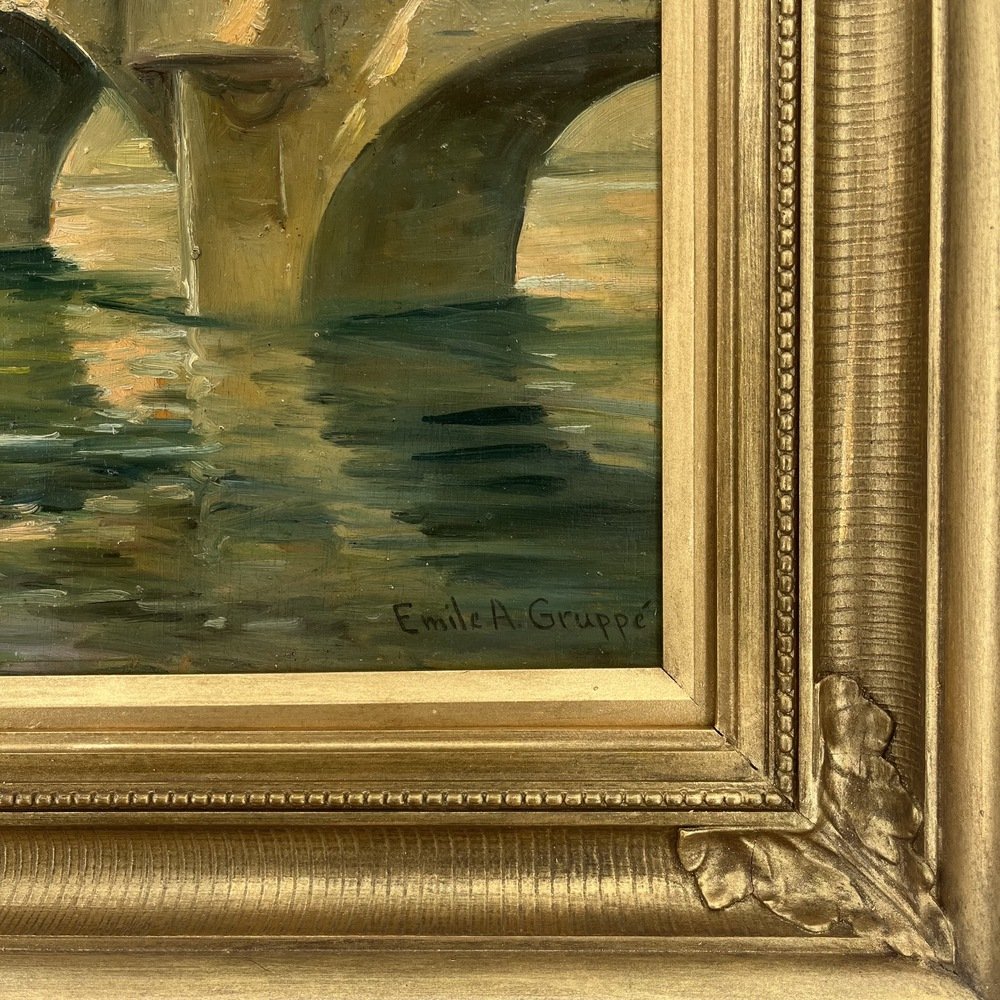
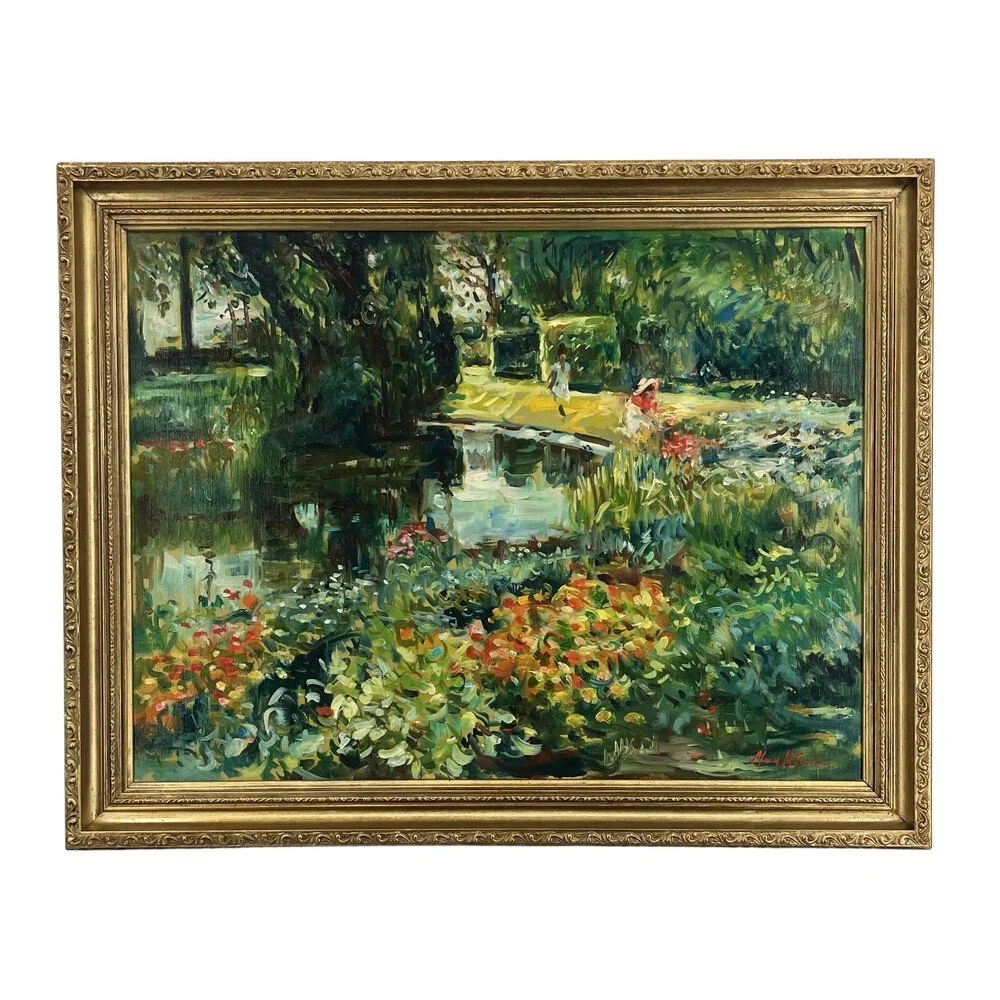
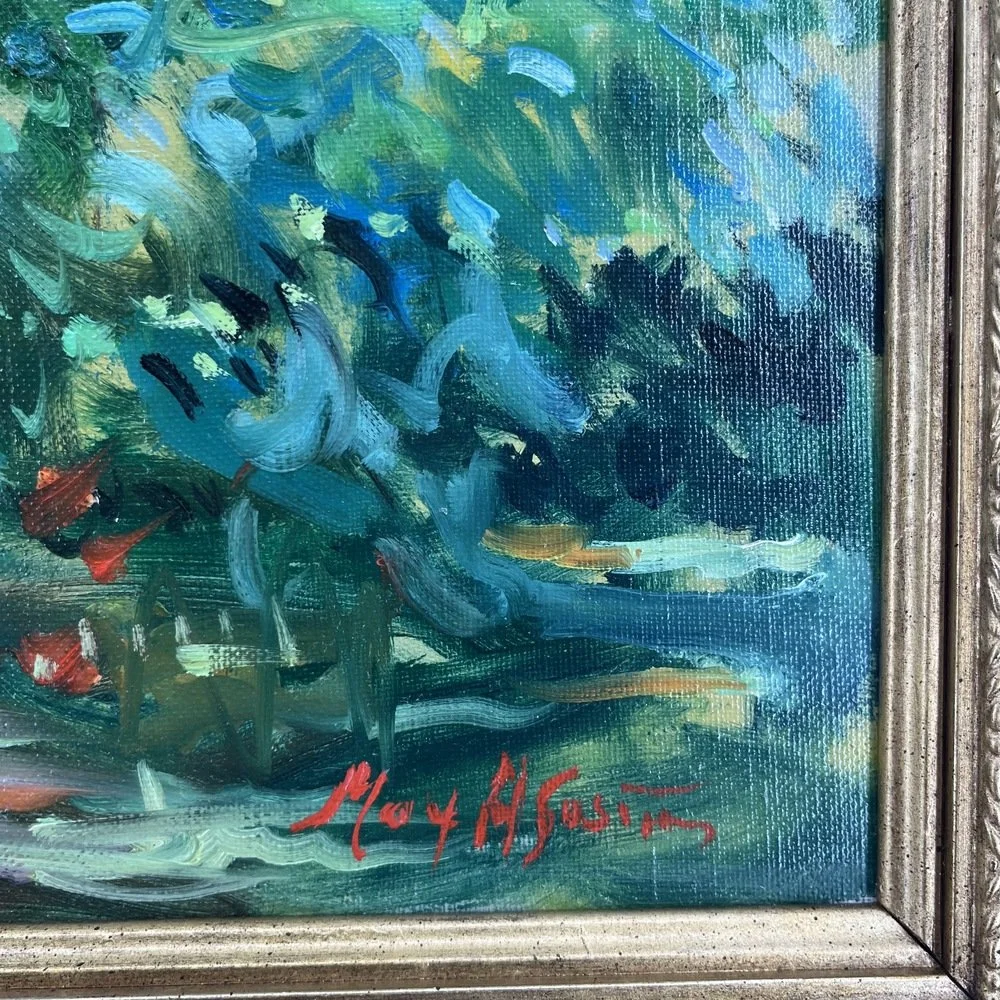
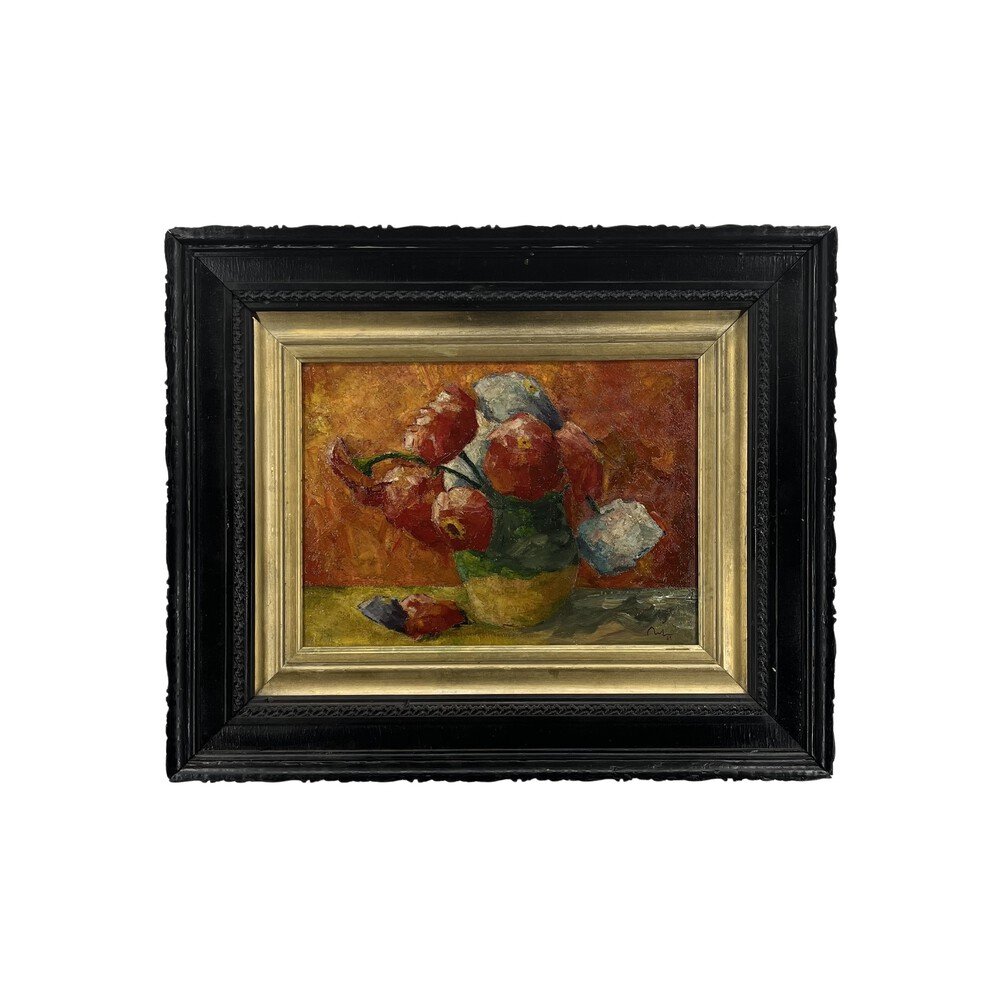
This oil on canvas, signed lower right and dated 1981, is presented in its original frame. It has the gravitas and sophistication of a museum-quality modern European painting and would bring considerable depth to a contemporary, modernist or collected interior.
Measurements: 25” × 21” framed and 15.5” × 11.5” unframed.
This compelling work by Romanian master Corneliu Baba (1906–1997), signed and dated 1981, reflects the dramatic, deeply classical sensibility that made him one of the most important painters of 20th-century Romania. Born in Craiova, Baba first studied at the Academy of Fine Arts in Bucharest before moving to Iași, where he became a student of the celebrated Romanian painter Nicolae Tonitza. He completed his formal studies there in 1938 and later became a professor of painting in both Iași and Bucharest.
Baba deliberately remained connected to the great traditions of European painting at a time when modernism was moving increasingly toward abstraction. His work drew inspiration from Renaissance and Baroque painting, with particularly strong influences from El Greco, Francisco Goya and Rembrandt. The resulting paintings are known for their dramatic contrasts of light and shadow, rich tonal depth and powerful, psychologically charged compositions.
Although Baba is especially celebrated for his portraits and depictions of people, landscape and still life were also important parts of his oeuvre. His landscapes demonstrate the same disciplined handling of light and atmosphere, transforming an apparently simple subject into something contemplative and distinctly modern. His approach has sometimes been described in terms of tenebrism, reflecting his dramatic use of illuminated passages against areas of deep shadow.
Baba's stature is reflected in the extraordinary number of museums that hold his work. The National Museum of Romanian Art in Bucharest includes his paintings in its permanent collection, while works are also held by museums in Iași, Bucharest, Craiova, Cluj-Napoca, Oradea and elsewhere. He was a full member of the Romanian Academy and received the Romanian State Prize for Art in 1954.
A particularly memorable aspect of Baba's career is his determination to remain a painter in the fullest traditional sense. Even while working in the 20th century, he resisted the pressure to follow every new artistic movement, instead believing that the enduring quality of painting mattered more than fashion. That conviction gives his work an unusual timelessness.
This oil on canvas, signed lower right and dated 1981, is presented in its original frame. It has the gravitas and sophistication of a museum-quality modern European painting and would bring considerable depth to a contemporary, modernist or collected interior.
Measurements: 25” × 21” framed and 15.5” × 11.5” unframed.