 Image 1 of 3
 Image 2 of 3
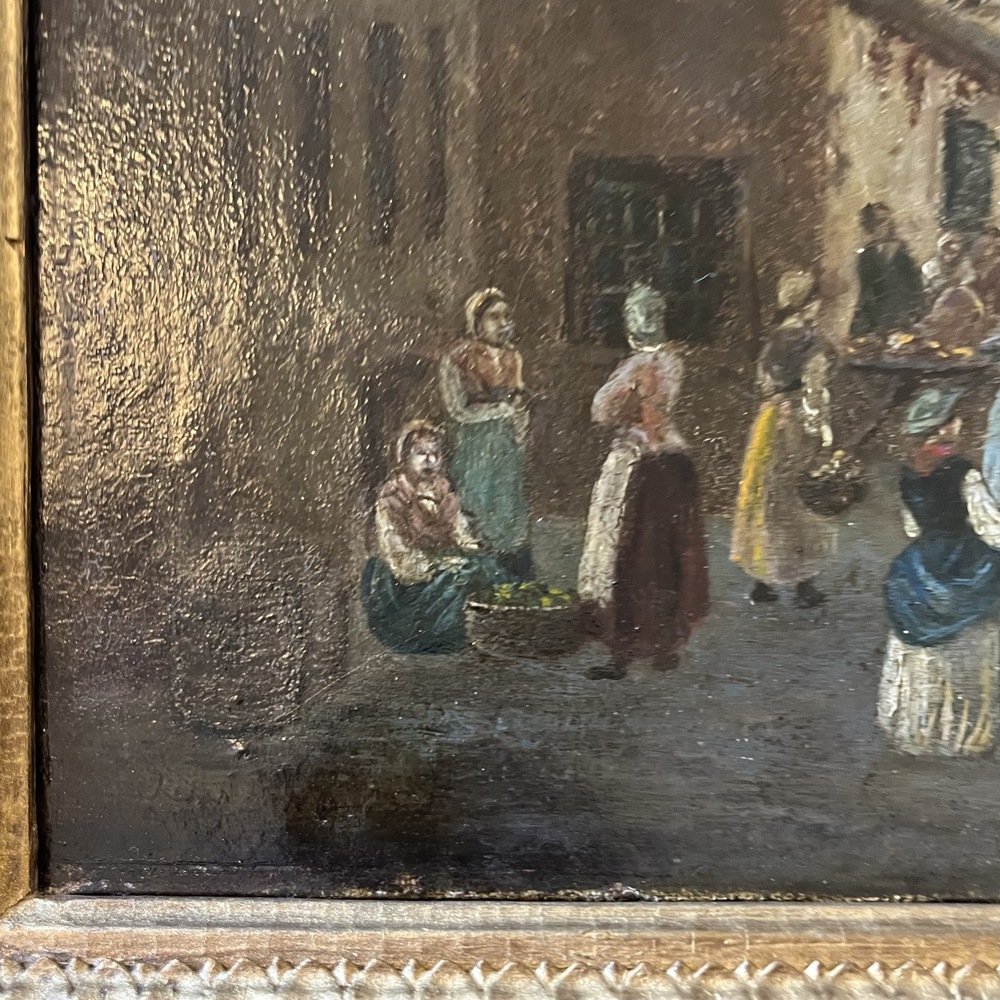 Image 3 of 3
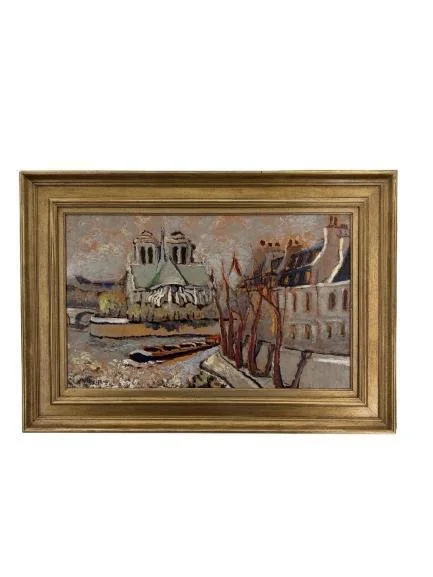
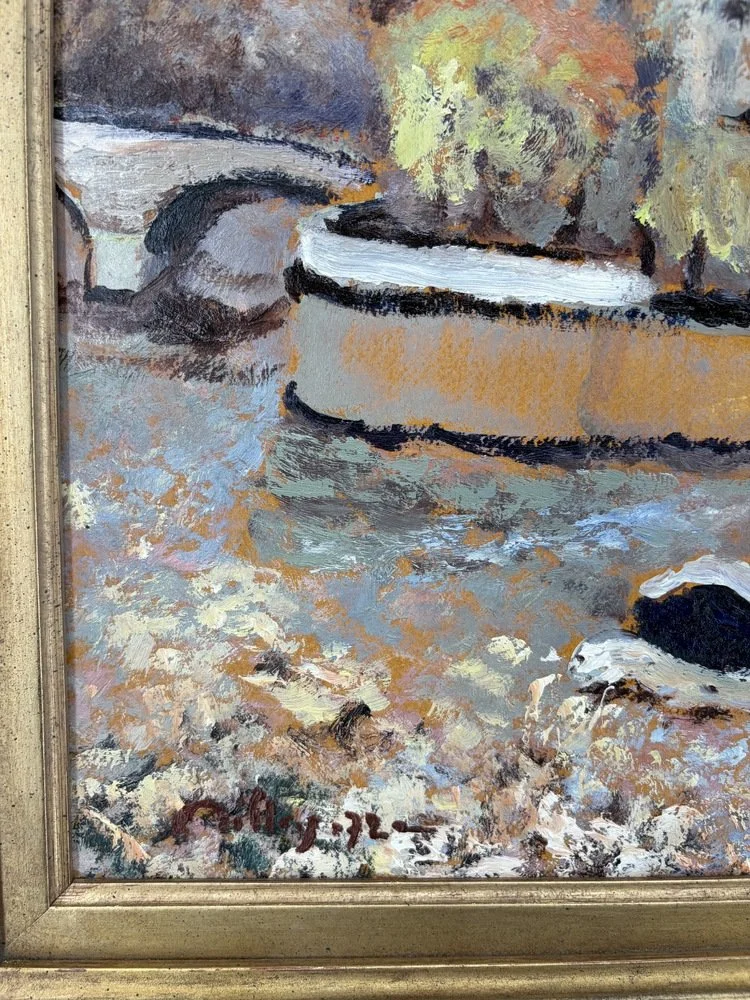
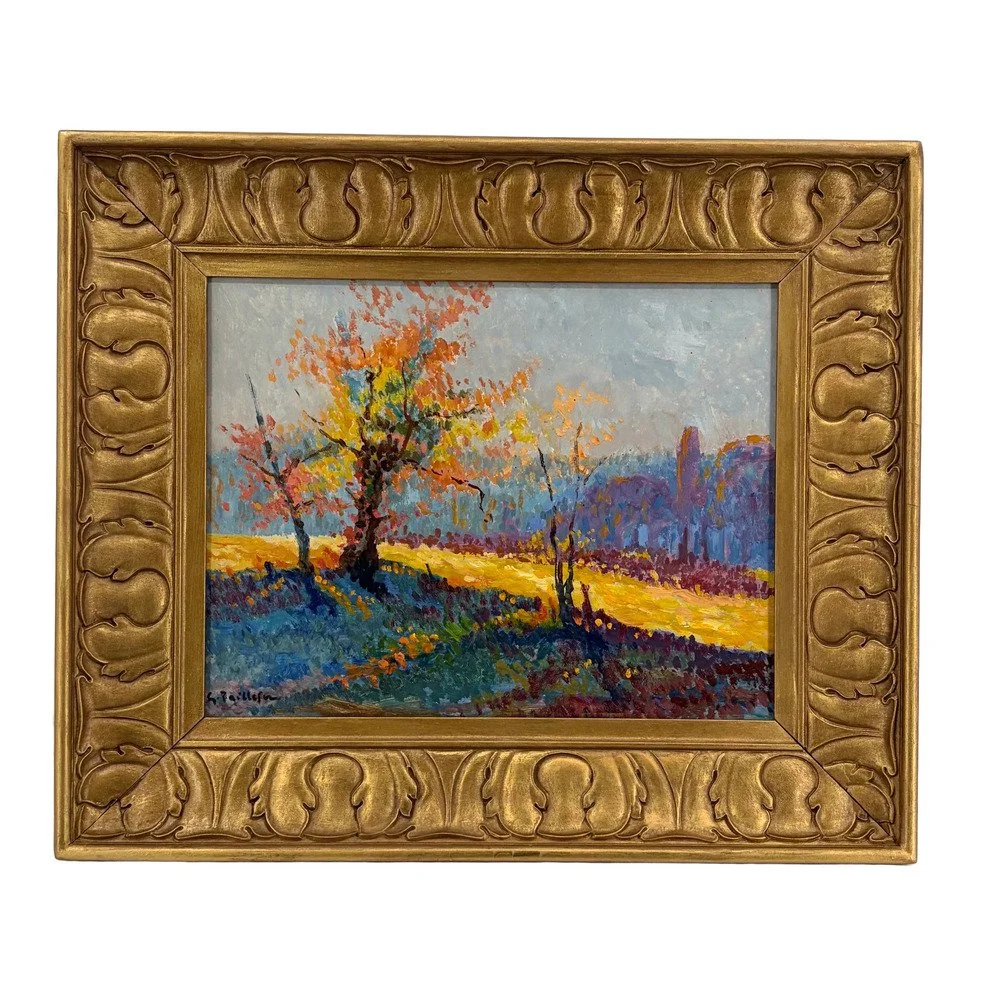
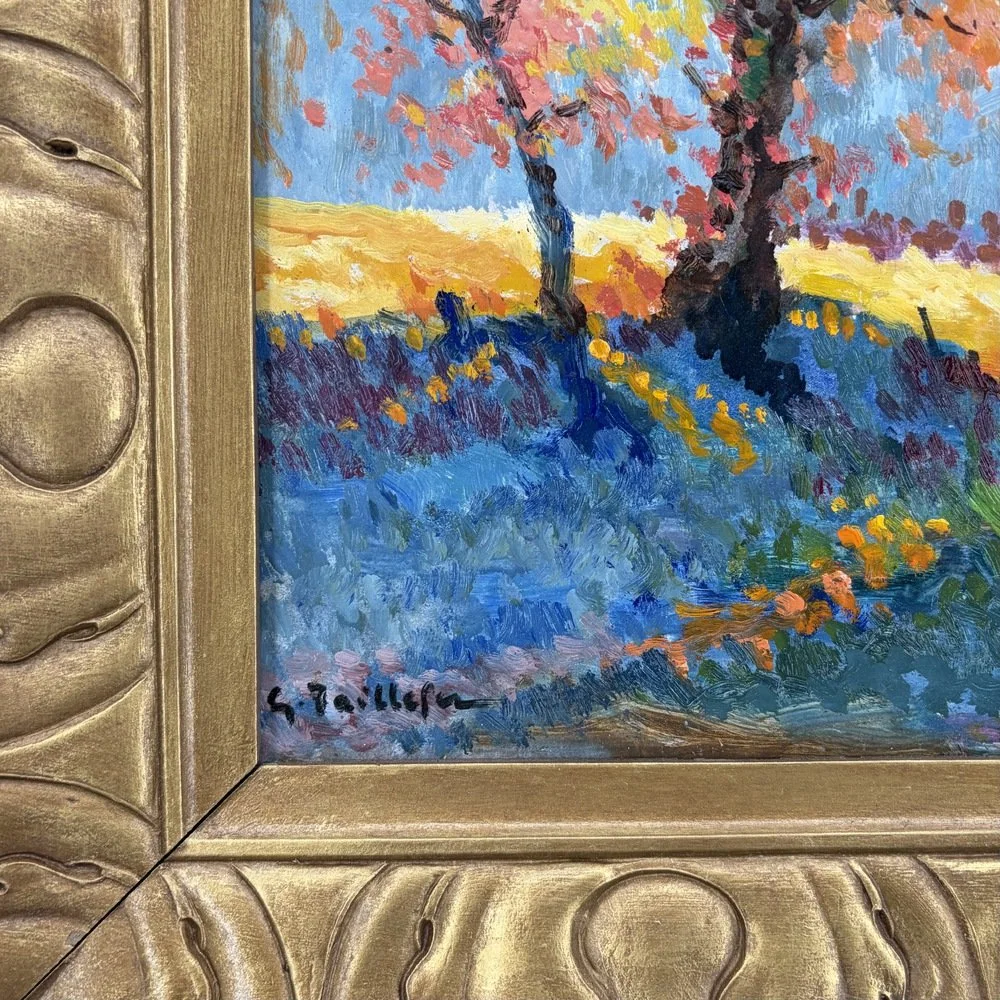
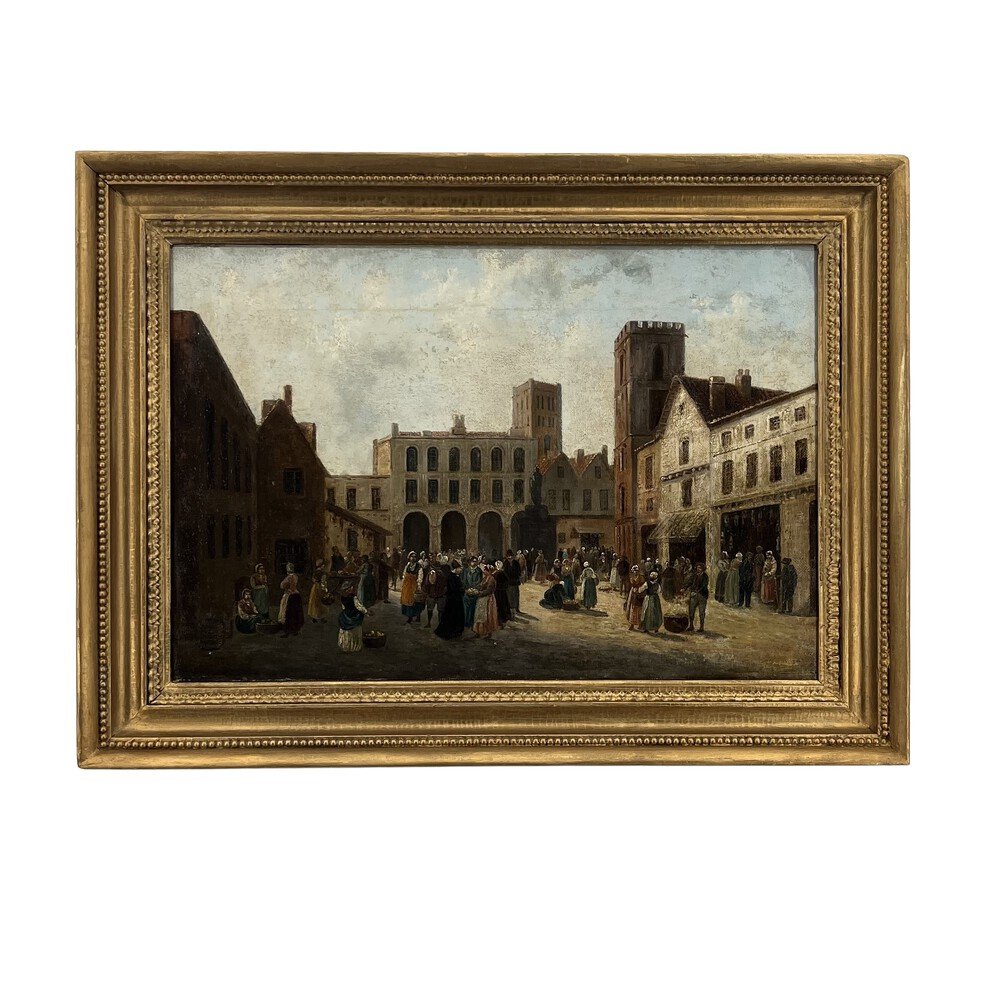
This charming English landscape by James Holland (1799–1870) combines the rich detail and careful observation of a classical British painting with the lively color for which Holland was particularly admired. Born in Burslem, Staffordshire, Holland was equally accomplished in oil and watercolor and became one of the most respected topographical painters of his generation. This oil on canvas is signed lower left and presented in its original frame.
Holland first exhibited at the Royal Academy in 1824, beginning a long and productive exhibiting career. He later became an associate exhibitor of the Society of Painters in Water Colours in 1835 and joined the Society of British Artists in 1843. In 1858 he was elected a full member of the Old Water-Colour Society. Over his career, he exhibited 32 works at the Royal Academy, 91 at the British Institution, and 108 at the Society of British Artists.
Travel played an important role in Holland's work. He journeyed extensively throughout France, Italy, Portugal, Switzerland, Austria and the Netherlands, producing views that were published in the illustrated travel annuals of the period. Venice became one of his best-known subjects, and his Venetian works were especially sought after after his death. A work by Holland dated 1867 is held by The Metropolitan Museum of Art, reflecting the continuing institutional interest in his work.
A memorable detail of Holland's career is that his artistic training began not in a fine-art academy, but in the Staffordshire pottery industry. From the age of twelve, he spent seven years painting flowers on pottery and porcelain. That early training in decorative design helps explain the precision, color sense, and finely observed detail that became hallmarks of his mature work.
This painting has a particularly appealing balance: color and movement give the scene life, while Holland's disciplined draftsmanship and classical approach keep the composition composed and elegant. It would work beautifully in a traditional or transitional interior, while also bringing a refined European character to a more contemporary collected setting.
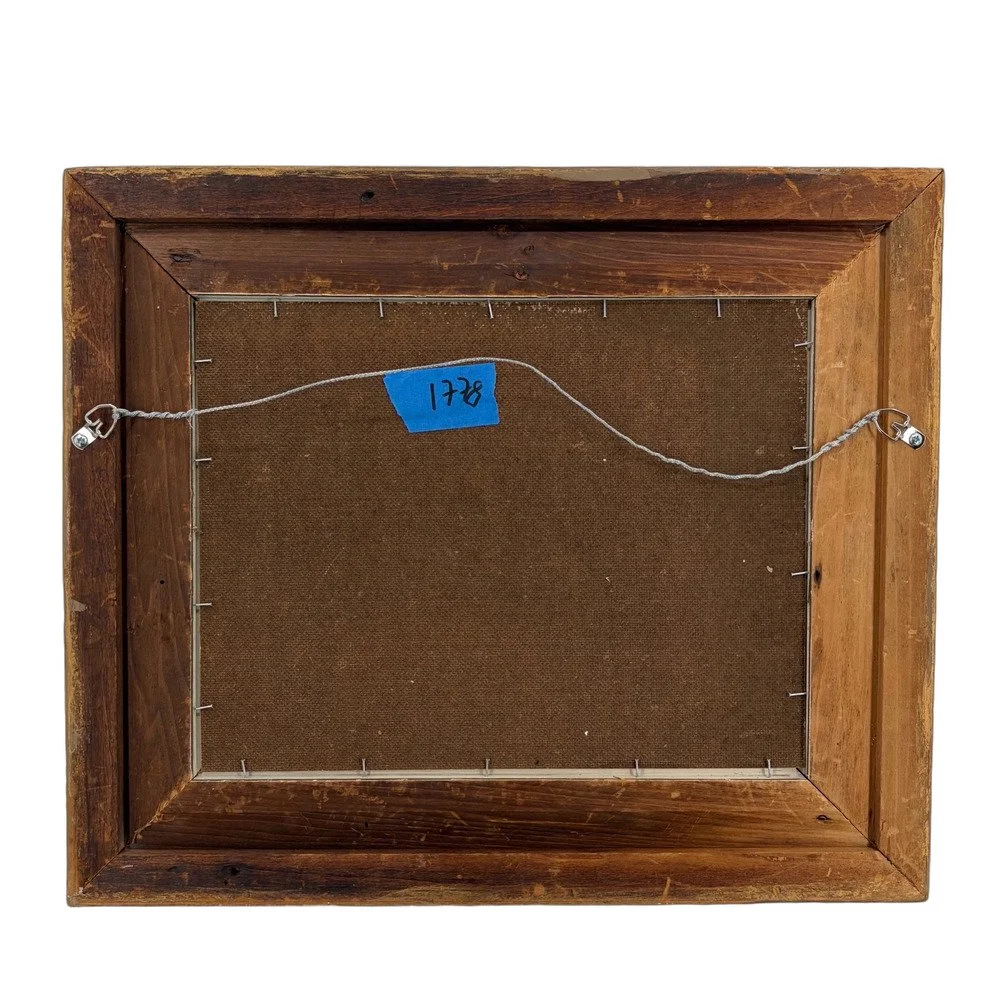
Measurements: 22” × 16” framed and 17.5” × 11.5” unframed.
This charming English landscape by James Holland (1799–1870) combines the rich detail and careful observation of a classical British painting with the lively color for which Holland was particularly admired. Born in Burslem, Staffordshire, Holland was equally accomplished in oil and watercolor and became one of the most respected topographical painters of his generation. This oil on canvas is signed lower left and presented in its original frame.
Holland first exhibited at the Royal Academy in 1824, beginning a long and productive exhibiting career. He later became an associate exhibitor of the Society of Painters in Water Colours in 1835 and joined the Society of British Artists in 1843. In 1858 he was elected a full member of the Old Water-Colour Society. Over his career, he exhibited 32 works at the Royal Academy, 91 at the British Institution, and 108 at the Society of British Artists.
Travel played an important role in Holland's work. He journeyed extensively throughout France, Italy, Portugal, Switzerland, Austria and the Netherlands, producing views that were published in the illustrated travel annuals of the period. Venice became one of his best-known subjects, and his Venetian works were especially sought after after his death. A work by Holland dated 1867 is held by The Metropolitan Museum of Art, reflecting the continuing institutional interest in his work.
A memorable detail of Holland's career is that his artistic training began not in a fine-art academy, but in the Staffordshire pottery industry. From the age of twelve, he spent seven years painting flowers on pottery and porcelain. That early training in decorative design helps explain the precision, color sense, and finely observed detail that became hallmarks of his mature work.
This painting has a particularly appealing balance: color and movement give the scene life, while Holland's disciplined draftsmanship and classical approach keep the composition composed and elegant. It would work beautifully in a traditional or transitional interior, while also bringing a refined European character to a more contemporary collected setting.
Measurements: 22” × 16” framed and 17.5” × 11.5” unframed.